

Tooth Gem Safety: What to Know Before Getting Tooth Gems applied in Chicago with Jem Junkies
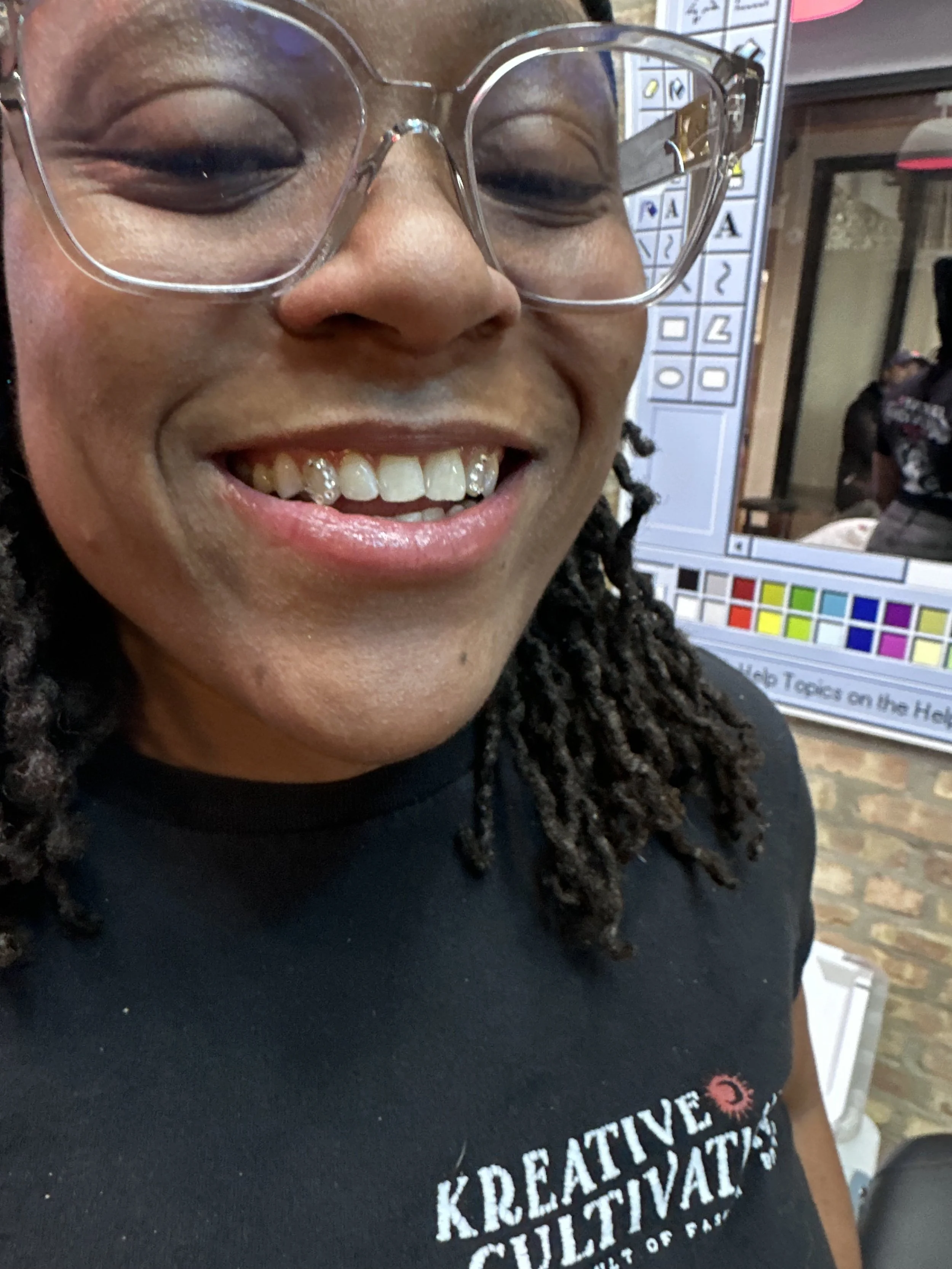
Jem Junkies Tooth Gem Client with a Double Window
Tooth gems are a fun way to add a little sparkle to your smile — and when they’re applied correctly, they can be a safe, non-invasive cosmetic service. But like anything involving your mouth, technique, hygiene, materials, and aftercare make a big difference.
If you’ve been Googling “tooth gem safety,” “are tooth gems safe,” “tooth gem aftercare,” or “tooth gems Chicago,” this guide breaks down the most important safety considerations before you book.
Are tooth gems safe?
Tooth gems can be safe when applied by a trained professional using proper materials and sanitation. A tooth gem should be bonded to the surface of the enamel without drilling, reshaping, or permanently altering the tooth.
That said, there are real risks if:
the tooth has an untreated cavity or weak enamel
the application is done in unsanitary conditions
the wrong adhesive is used
aftercare isn’t followed
the gem is placed in a spot that interferes with your bite
This is why choosing the right studio matters.
Key safety considerations before getting a tooth gem
1) Your tooth health comes first
The biggest safety factor is the condition of your tooth before application. If you have:
tooth pain or sensitivity
visible decay or dark spots
inflamed/bleeding gums
heavy plaque buildup
existing cracks or weakened enamel
…you should handle that first with a dental cleaning or dentist visit. Tooth gems placed over existing issues can make problems worse or trap bacteria.
Pro tip: A clean, healthy tooth helps the bond hold better and reduces risk.
2) Sanitation and sterilization should be non-negotiable
Tooth gems are applied in your mouth, so the studio should treat the service like a clean, professional procedure.
Look for:
gloved service throughout the appointment
disinfected surfaces between clients
single-use applicators whenever possible
properly sterilized tools
sealed/clean materials storage
If the environment feels rushed, messy, or “DIY,” that’s a sign to pause.
3) Materials matter (adhesives + gems)
The adhesive used should be appropriate for cosmetic bonding — and the gem should be a smooth, safe material intended for oral use.
Safety issues can happen when:
craft glue or non-oral adhesives are used
gems have sharp edges that irritate your lip/gums
cheap materials discolor or break down
A properly selected gem should sit smoothly on your tooth and not feel sharp.
4) Placement should respect your bite
Not every tooth is a good candidate for a gem. If the gem is placed in a spot where your upper and lower teeth hit (bite interference), it can:
cause the gem to pop off sooner
irritate your mouth
create discomfort when chewing
A trained tech will help choose a tooth and placement that avoids pressure points.
5) Aftercare is part of safety
Most tooth gem issues happen after the appointment — not during it — because people forget the aftercare rules.
A safe studio should clearly explain aftercare (and ideally send it to you in writing).
Tooth gem aftercare: how to protect your teeth and your gem
Follow these basics to reduce risk and help longevity:
Avoid crunchy/hard foods for the first 24–48 hours (ice, hard candy, nuts, chips)
Don’t pick at the gem with your nails or tongue
Brush gently but thoroughly (especially around the gem)
Floss daily to prevent plaque buildup
Avoid aggressive whitening products directly over the gem
If you wear a mouthguard at night, continue wearing it
If your gem loosens: don’t glue it back on at home. That’s how enamel damage and irritation happen.
Can tooth gems damage enamel?
When applied and removed correctly, tooth gems should not permanently damage enamel. The key words are correctly applied and correctly removed.
Enamel damage is more likely when:
someone pries it off at home
the wrong bonding method is used
the tooth has decay or weakened enamel already
removal is rushed or done improperly
If you ever want it removed, ask for professional removal (or see a dentist).
Can tooth gems cause cavities?
A tooth gem itself doesn’t “cause” cavities — but poor oral hygiene around the gem can.
Cavity risk increases if:
plaque builds up around the gem edges
flossing becomes inconsistent
the tooth had early decay before application
The solution is simple: keep up brushing + flossing, and stay consistent with dental cleanings.
Who should avoid tooth gems (or wait)?
It’s smart to wait if you have:
active cavities or tooth pain
gum disease or ongoing gum inflammation
major enamel weakness or visible cracks
orthodontic appliances that interfere with placement (ask first)
crowns/veneers on the tooth you want (ask first — it may be possible, but it depends)
If you’re unsure, book a consult or send a clear photo of your teeth to the studio for guidance.
Signs something isn’t right (when to contact a dentist)
Reach out to a dentist if you notice:
pain that wasn’t there before
swelling, bleeding gums near the gem
increased sensitivity that lasts more than a few days
a bad taste or persistent odor near the gem area
the gem scratches your mouth or feels sharp
Your mouth is telling you something — don’t ignore it.
Tooth gems in Chicago: how to choose a safe studio
If you’re searching “tooth gems Chicago” or “Chicago tooth gem studio,” use this checklist before booking:
Do they explain their sanitation process?
Do they give clear aftercare instructions?
Do they avoid drilling or altering teeth?
Do they use quality gems and appropriate bonding materials?
Do they offer safe removal instructions?
Do they have consistent reviews/photos of healed results?
A professional studio should be transparent and answer questions confidently.
Ready for a tooth gem in Chicago?
At Jem Junkies, we believe your smile should be cute and cared for. If you have questions about placement, aftercare, or whether tooth gems are right for you, reach out before you book — we’ll point you in the safest direction for your smile.
Book your tooth gem appointment in Chicago and let’s add sparkle the smart way.